
Taylor Swift’s twelfth album “The Life of Showgirl” has become the fastest-selling album in American history, with almost four million sales in the week of its release on October 3. But is the album really a natural continuation of Swift’s success, or is the hype overblown?
“Showgirl” made a grand entrance, with an extensive marketing campaign beginning when the album was announced in August on “New Heights,” the podcast hosted by Swift’s football player fiancé Travis Kelce and his brother Jason.
Soon after her appearance on “New Heights,” four different cover variants of the album were available for preorder on Swift’s website. Hundreds of Target stores across the country announced they would be open for the midnight release for fans to buy the album as soon as it was available. A promotional film, “The Official Release Party of a Showgirl,” had a limited theatrical release the weekend the album came out.
The visual aesthetic of the cover art and promotional material leans heavily into the “showgirl” aspect, with glitter and sequins everywhere. When you sit down to listen to the actual music, the first few tracks seem to set the stage with all the dramatic flair the album’s title promises.
The album has a strong start, opening with the lead single “The Fate of Ophelia.” The synth-heavy verses transition into a catchy chorus, and the dance featured in the music video has already become a viral trend on TikTok.
Swift hasn’t sacrificed the intelligence of her lyricism for the sake of a pop hit, since this song is an extended reference to the character Ophelia from Shakespeare’s Hamlet, comparing the loveless life Swift was living before her current relationship to the melancholy and madness Ophelia suffers in the play.
The songs “Elizabeth Taylor” and “Opalite” are both upbeat and engaging, with drum beats worth tapping your foot to. The true standout of the album to me is “Father Figure”: A song that blends biting lyrics, soft instrumentation and a reference to George Michael’s song of the same name — all coming together into a very memorable three minutes.
These first four songs are nothing profound or groundbreaking, but they’re enjoyable and feature Swift’s vivid, witty and colorful lyricism in lines like: “All my white diamonds and lovers are forever / In the papers, on the screen and in their minds” on “Elizabeth Taylor” and: “Your thoughtless ambition sparked the ignition on foolish decisions which led to misguided visions” from “Father Figure.”
The fifth track, “Eldest Daughter,” grinds the album’s fun, danceable flow to a halt. Swift’s soft, passionate singing over mellow piano notes promises something heartfelt and deep, but fails to stick the landing. It’s hard to appreciate the message she’s going for when you’re too busy internally cringing at lyrics like: “Every single hot take is cold as ice.”
The album never manages to recover from this sudden nosedive in quality. The next three tracks are all slow and sleepy, with no discernable hook. Listeners will be briefly jolted awake by “Wood,” but whether that’s because of the funky, Jackson 5-esque instrumental or because of the racy lyrics is hard to say.
When “CANCELLED!” comes on, however, you will probably wish for the days when “Eldest Daughter” was the worst Taylor Swift song you’d ever heard. This overdramatic, groan-inducing slog of a song would probably have been better left off this album, or any album at all for that matter. “Can’t you see my infamy loves company” is a line best saved for one’s diary, not an album heard by millions.
“Honey” is another unremarkable song pulled from the most basic pop-music playbook. The title track, which features Sabrina Carpenter, serves as a nice send-off to the album as a whole, but its only major asset as a standalone track is the satisfying blending of Swift’s voice with Carpenter’s.
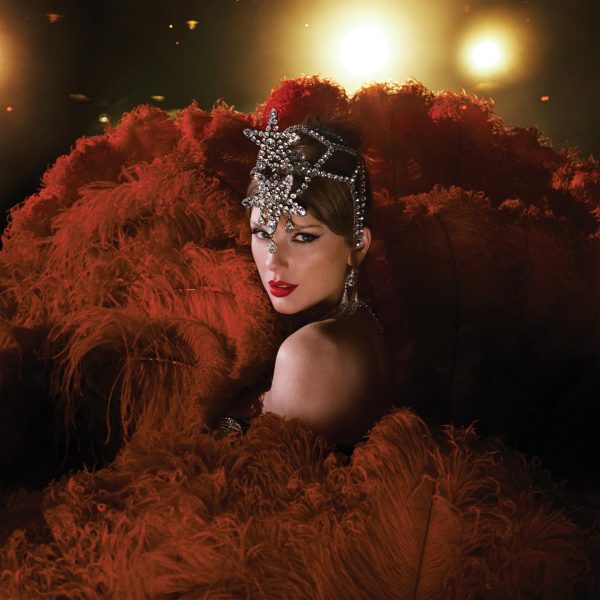
The poppy production wears out its welcome the further you get into the album, as most songs feature similar synthesizers and drums. This does create a sense of cohesion throughout the entire listening experience, but it doesn’t exactly help each song stand on its own. The grand, glamorous showgirl theme present in the album’s marketing doesn’t quite seem to suit a tracklist of mostly fun, breezy dance-pop numbers.
The lyrical content also plays it safe, relying on much of the same tropes as the rest of her discography: love, longing and the struggles of fame. Swift herself doesn’t come across as a particularly relatable character in most of these songs, perhaps because it’s difficult to separate their lyrics from her highly publicized personal life.
Swift is only delivering honesty, much as she always has, but she has lived so long in the spotlight that her honesty can come across as too polished or commercial for the average listener to really relate to. After all, the average American isn’t a jet-setting billionaire who was making hit albums at the age of 16.
Despite being advertised as a look behind the curtain, “The Life of a Showgirl” doesn’t invite the listener to know Swift more deeply, only to celebrate the legacy she’s already built. After nearly two decades in the spotlight, perhaps there simply isn’t anything left for her to share.
Taylor Swift is such an overexposed figure in recent years that an emotional fatigue can set in surrounding her. The way you hear her music has been changed by her constant presence on your TikTok algorithm, your Spotify auto-play and your television screen during Sunday night football games.
If you’ve heard all the details of her life and relationships on social media already, you’ll never be surprised by anything she shares in her music. Listeners who aren’t ardent fans are likely to grow bored of her music and become tired of seeing her everywhere, which hurts her public image in the long run.
Until she either takes a break from the spotlight or tries something seriously innovative and unique, her music is bound to remain as underwhelming as “The Life of a Showgirl” has been.
I personally haven’t found most of the songs on “Showgirl” to be worth listening to again. Only “Father Figure,” “The Fate of Ophelia,” and “Elizabeth Taylor” have made their way into my playlists.
Give the album a listen if you want to hear for yourself what everyone’s talking about. But for those who prefer to stay out of the current fervor surrounding Swift, “The Life of a Showgirl” might be worth reevaluating in a few years once the excitement has died down.