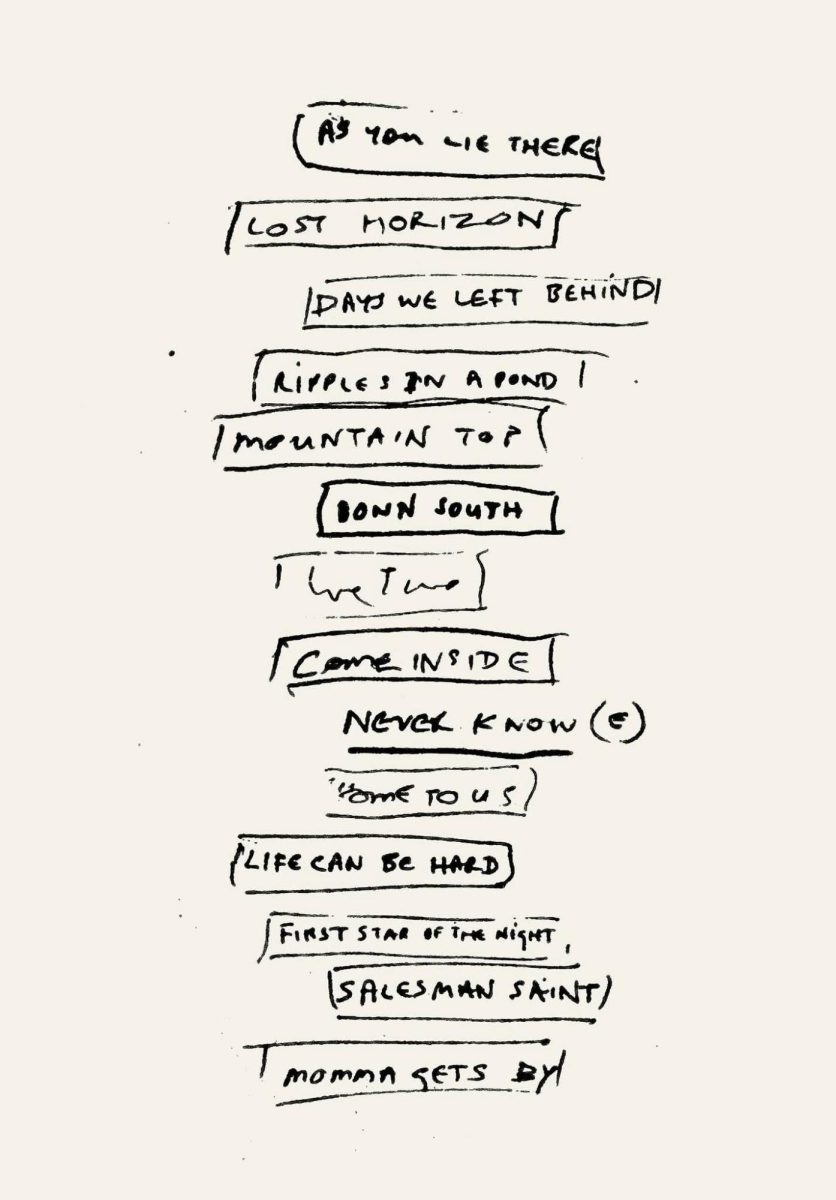
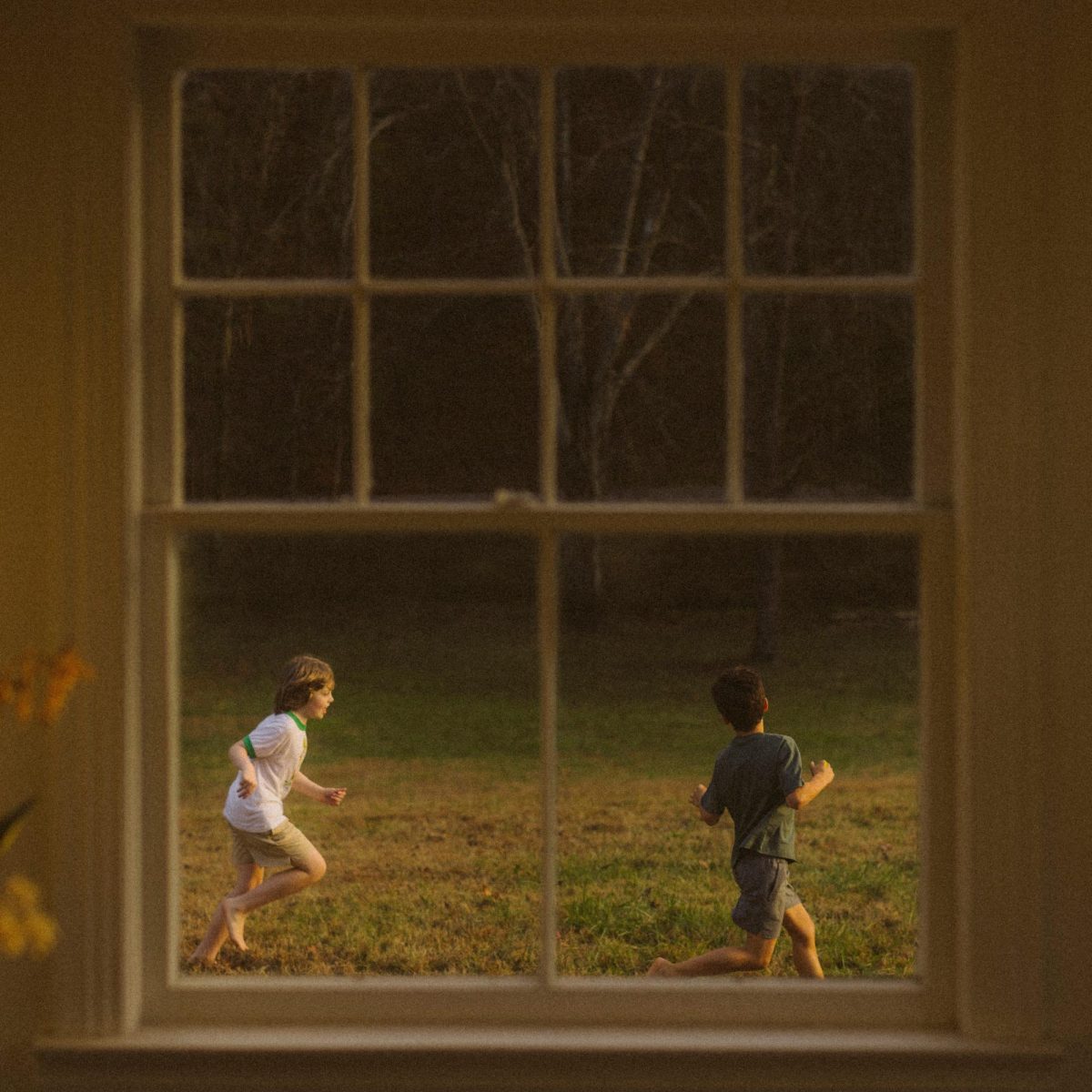
Four years after the initial release of his breakout album “Stick Season,” Vermont singer-songwriter Noah Kahan returns with his fourth studio album “The Great Divide.”
The album was released on April 24 and featured 17 songs. On April 25, Kahan released a deluxe version of the album titled “The Great Divide: The Last Of The Bugs” that mixed in four songs, bringing the tracklist up to 21 with a total length of one hour and 36 minutes. The fact that these four songs are mixed into the album shows the care that Kahan has put into it and their inclusion elevates the standard version of the album greatly.
“The Great Divide” continues to build on more of the folk/pop sound that Kahan has become known for. Much like “Stick Season,” Kahan weaves more pop-oriented songs between folk sounds that make you want to scream out in the woods. Unlike “Stick Season,” “The Great Divide” feels more personal. His previous album is more of a love letter to his home state while “The Great Divide” focuses much more on the relationships between the singer and those still there.
On an Instagram post from Jan. 28 that announced the release of the album, Kahan says “I want to scream these feelings, to gesticulate wildly at the figures on the other side, but my voice has grown hoarse and muted after years of climbing a ladder towards the wild, spiraling dreams that have materialized in front of me.”
“The Great Divide” serves as a way to represent the disconnect that happens when time and accomplishment tear us away from the people in our lives; when you leave home and you slowly stop talking to the people still there.
The opening track encompasses all that the album will be and does an incredible job at setting the tone. “End of August” slowly builds up throughout its 5:18 runtime, only to abruptly drop back into a soft lull, effectively conveying the end of summer. It’s a song about time slipping away and things ending in ways that are unspectacular — a theme that continues throughout the album.
It is followed by “Doors,” one of the more pop oriented songs and one of the oldest, having been teased in Oct. 2024. While upbeat, the lyrics reveal what we already know about Kahan — this song is sad and we don’t get to be happy but you can still dance! It fits well into the “stomp-clap” genre of music that has seemed to fall out of favor, though “Doors” quickly rose as a fan favorite. Who doesn’t want to dance to a song about hurting the people you love and pushing them away?
“Lighthouse” is one of the softest and least lyrically dense songs, allowing for the soft backing track to carry more weight before the introduction of the guitar. It invokes the feeling of being wrapped in fog and feels reminiscent of Kahan’s 2020 EP “Cape Elizabeth” and that’s not just because the cover for that is a lighthouse. “Lighthouse” has some of my favorite lyrics in the entire project: “I curse ’em all out / When they fuck up your story / I tell it the way that you told me.”
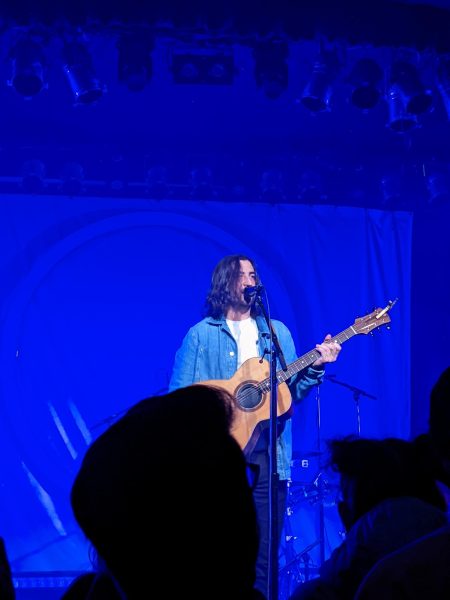
My favorite song on the album has been “Paid Time Off.” It is much more folk oriented than the songs I’ve discussed thus far and I believe that’s what makes it stand out. “Paid Time Off” starts slow and gradually speeds up into a bouncy folk acoustic. Like every other Noah Kahan song, upbeat does not equal happiness. When Kahan sings “I had the brains for a city job, but you got the taste of a county cop,” it becomes apparent that the song is about stifling oneself to stay in a situation, even when they have the potential to leave.
The following fan favorite track “Staying Still” holds the same idea of being stuck somewhere, but sees it from the opposite perspective of “Paid Time Off.” The pair that is sung about in “Paid Time Off” is finally split apart with one having to watch their other half finally leave their hometown. This comes with conflicting emotions of wanting them to be happy but also wanting nothing to change.
“Oh, I can’t keep on starting over / Sleepin’ in a bed half empty, daydreamin’ / All love must leave, oh, but search for it I will,” is one of the catchiest choruses in the album and one that invites a deep, visceral cry from the depths of one’s soul.
For being the title track, I believe that “The Great Divide” is one of the weaker songs on the album. It was the first released single for the album back in January and while still catchy and powerful, I feel it loses some weight when compared to other songs on the album.
The theme is strong, focusing on religious trauma and friendships falling apart partially due to said trauma. It feels like the most pure pop song on the entire album and I think that’s why I don’t hold it in as high regard.
Track 16, “We Go Way Back” was written when Kahan took a break from his touring which lasted most of four years following the release of “Stick Season” and its deluxe versions. Compared to every song before it, “We Go Way Back” feels much more mundane and down to earth which is something I love about it. Finally stopping and taking in the small things we miss when we’re in “go” mode, the song gives a brief respite between tracks to just breath and soak it all in.
“And I don’t need my name back, throw my notebook in the basement / Oh, I love you and I can’t fake that for a moment,” feels like saying that nothing else matters anymore. Like when you get home from a long day and the rest of the world starts to fade away. It’s comforting and warm.
Track 20, “Orbiter,” is one of the most emotional songs in the entire album. Kahan wrote the song after his loss at The Grammys and talks about the isolation he felt then, like he was letting people down. In the song, the imagery put forward is of circling someone “better” than yourself and forgetting that you too, are there for a reason.
The final song of the album, “Dan,” serves as a natural ending. Kahan makes it clear that the loneliness felt throughout the album begins to fade, especially in this moment where he is with his friend. The song calls back to his first album released in 2019, “Busyhead” and a track titled “Carlo’s Song.” In “Dan,” they reminisce about their late friend and it focuses on the connections that we share with each other. “Dan” highlights all parts of Kahan’s career and life. It features call backs to previous works and inspirations. The opening of the song is the opening to Jason Isbell’s “If We Were Vampires” of which Kahan did a duet with Wesley Schultz.
“The Great Divide: The Last Of The Bugs” feels like the most authentic project we’ve gotten from Kahan so far in his career. While many of the songs aren’t revolutionary in their sound, Kahan’s anecdotal lyricism provides relatability and heart-wrenching nostalgia.
What makes the album powerful isn’t the musicality, but rather the raw and emotional stories that Kahan presents.