
Thanks to the Ocean Research College Academy (ORCA), EvCC is now recognized as a global contributor to marine research.
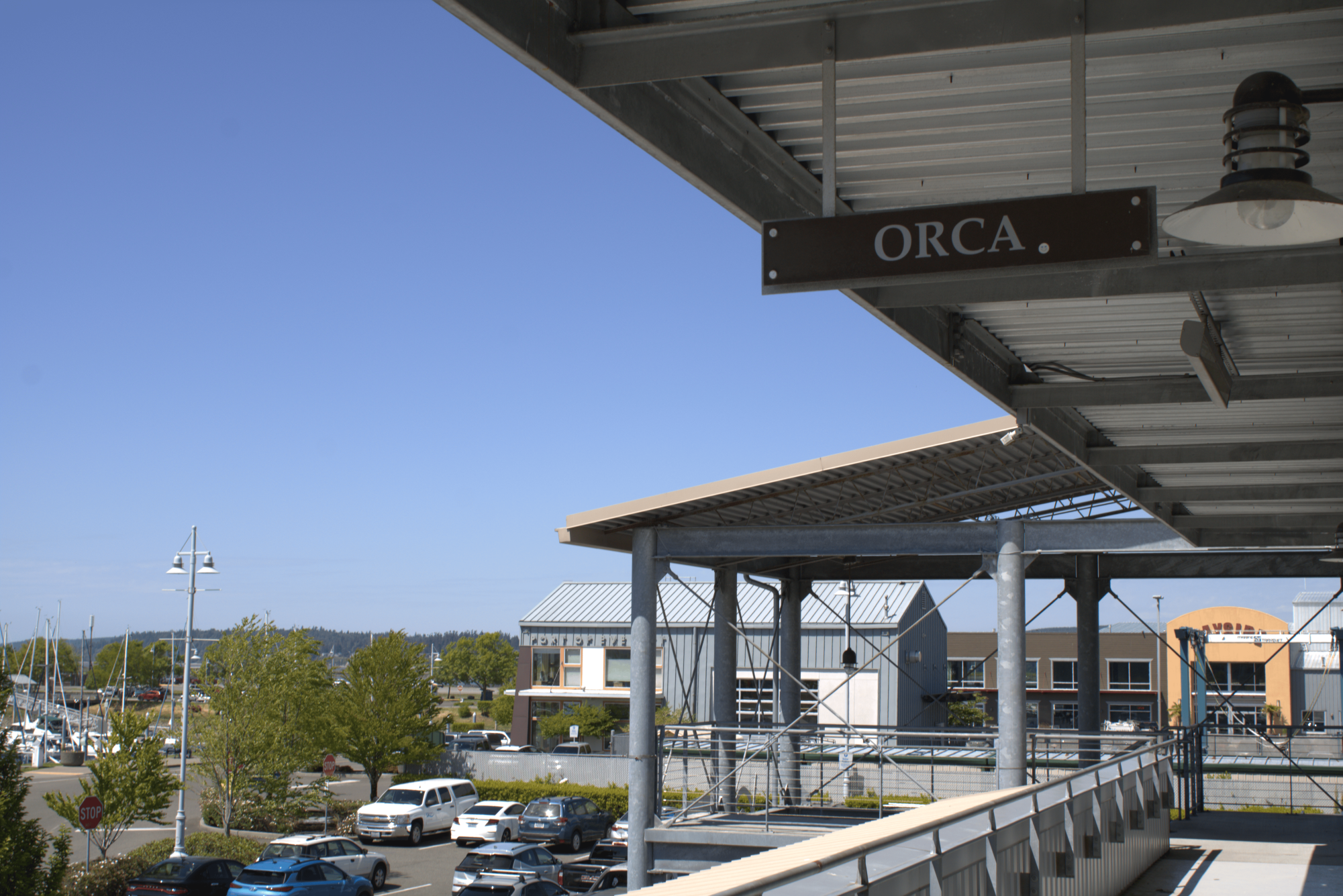
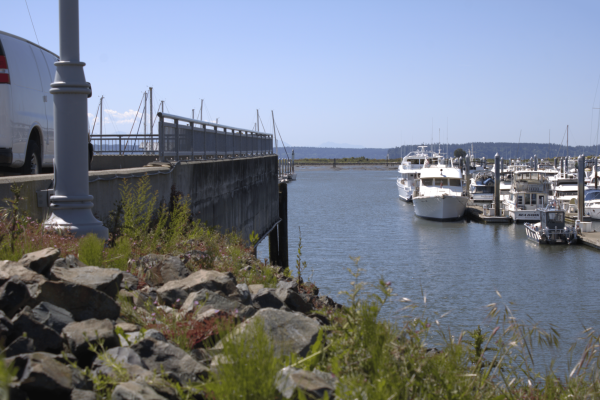
ORCA a Running Start program that focuses on applying analytical thinking to marine-based research in the Possession Sound. It was founded in 2003 and gives high school students the opportunity to earn an Associate in Arts and Sciences Direct Transfer Agreement. Their permanent facility is located in the Everett Marina.
Executive Director of ORCA Ardi Kveven, and Founding Faculty Josh Searle co-authored a chapter in a global research volume. It’s titled “Ocean Literacy: The Foundation for the Success of the Ocean Decade” and was produced in conjunction with the United Nations’ Ocean Decade program. The overarching editor is Theresa Kennedy, PhD.
“It’s essentially getting to an idea worldwide of what ocean literacy means and what it means in different contexts,” Searle said.
EvCC’s ORCA is the brainchild of Kveven — a woman with a lifelong dedication to education. She graduated from the University of Washington with a degree in Biology, then her master’s in Science Education from Western Washington University.
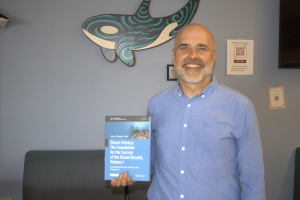
Searle’s role in ORCA is to organize the disciplines away from marine science: this included interdisciplinary classes across natural sciences, social sciences and humanities. He is also responsible for coordinating with the National Science Foundation and securing grant funding.
It began in a group of marine science teachers. Both Kveven and Searle brushed shoulders with Theresa Kennedy. Later on, she offered the pair to include a study of their own.
“We were asked and really honored … to put it together,” Searle said.
Kveven and Searle felt like this study was a great chance to observe what their alumni have taken away from the program. The research involves a qualitative and quantitative study that was conducted through alumni interviews.
“This was an opportunity to really do a serious survey of five years of graduates,” Searle said.
The big idea of the study was to identify what students take away from the course years after graduating.
After the idea was put into place, the execution was easy. Searle elaborated that Kveven is exceptional when it comes to breaking tasks down into smaller pieces and keeping her goals in line with the goals of her donors.
This particular study was funded by a National Science Foundation GEOPATH’s grant, and the people in charge — Searle and Kveven — wanted to assess what they do and whether their approach at ORCA is successful.
In fact, Kveven and Searle have used some of that grant to help keep “Ocean Literacy: The Foundation for the Success of the Ocean Decade” open access.
Published in the abstract, the co-authors came out with five big takeaways: “The power of questions; importance of community; experience in place; interdependence of parameters in the ecosystem; and the role of data in transforming understanding.”
In one point, Searle summed up the hypothesis, stating, “We don’t need to approach teaching the ocean in a particular way. In fact, it’s not really our job to tell everyone exactly what the ocean is.”
Asking questions plays a pivotal role in shaping the world view of ORCA students.
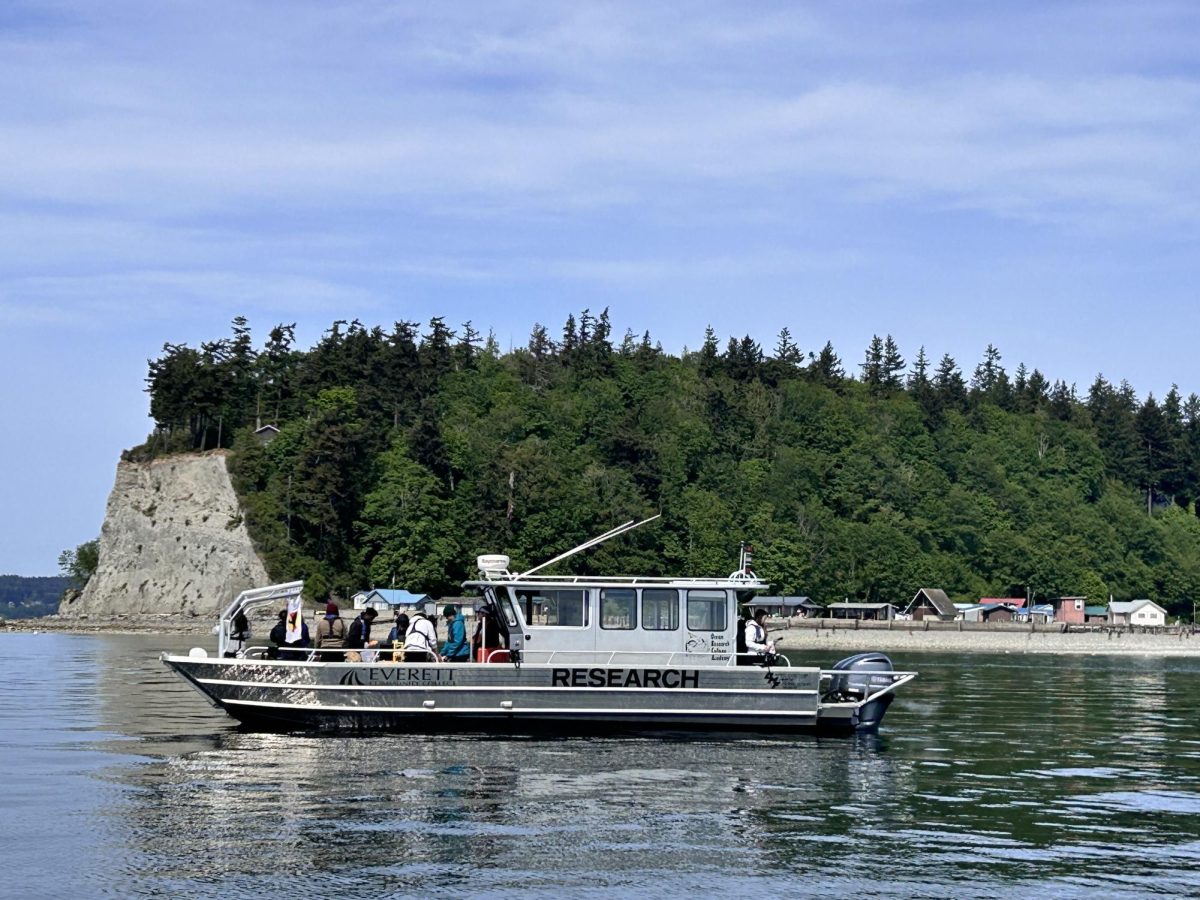
(Provided by Josh Searle)
Searle said that the ORCA program “deliberately scaffolded what student experiences happen across disciplines” to foster curiosity among its students.
All students take the same class, Negotiating Nature, in their first quarter. Completing that class makes the students more fluent in discussing environmental subjects with one another.
The curious attitude of the ORCA program is best summed up in the chapter. When one student asks a question, others reply in the vein of, “Interesting question! Where might you look for information on that? What else do you wonder?”
Next in the series of takeaways is the importance of community.
According to the study, “(Of) 36 separate survey responses, 50 strands emerged about some form of community … 21 focused on the degree to which graduates recalled the benefits of working together in groups at the start of their experience, including learning from each other.”
Rena is a current student in the program and said, “I love the community. I think it’s really awesome to be around people who are just as interested in the same things as you.”
The third idea is the experience in place. Searle said that the survey respondents all hail from Western Washington, and that a Washingtonian’s idea of ocean literacy is going to be much different than in other states.
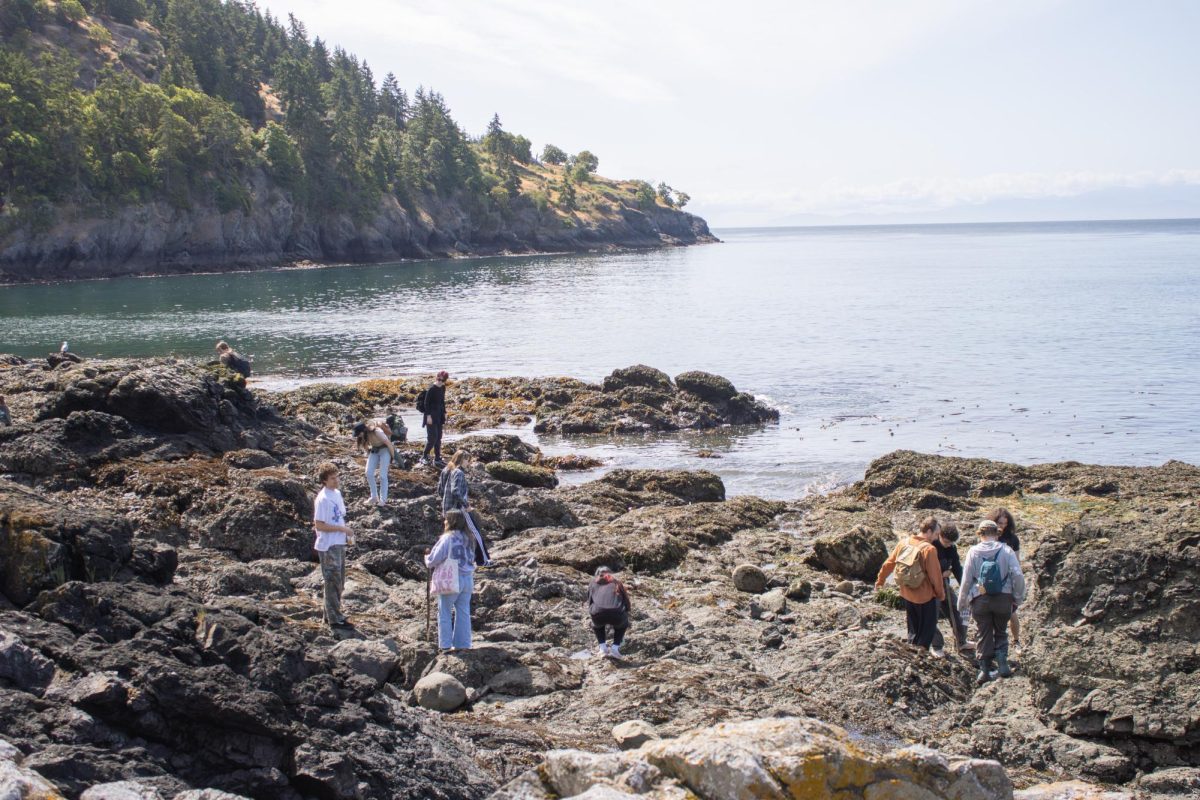
Getting out into the Possession Sound and conducting field research is an experience that grounds the students in the ecosystem which they reside in. Even if they come from Sultan, they are still affected by what goes on in the Puget and Possession Sound.
According to the study, “Respondents frequently commented on increased understanding and connection to our place (Possession Sound) with a nod toward how they fit in the system.”
Naturally, the fourth idea is how the students connect the pieces after diving deeper into their research.
The research starts out easy enough, one student from the study testified, “First, a relatively simple test project from the river trip, then a more complex question based on physics/chemistry, and finally linking biology into the story.”
What ends up happening is that the student opens their mind to the interconnected web of our ecosystem. The same student testimony said, “Overall, ORCA exposed me to the immense complexity of the Ocean and how interdisciplinary the field of oceanography is.”
Last in the group of five is the role of data and understanding.
Students in ORCA are frontloaded with statistics courses. The most powerful tool they use is a data analysis tool called “R.”
“When (students) have spent time with this statistical analysis tool, it shifts the way they think about analyzing data,” Searle said.
Since students have access to this tool, they are able to utilize a vast array of graphs which they use to find trends and explain data. This tool extends far beyond marine science, and Searle says that students have used this tool to analyze data from any subject they want.
One student in the study affirmed this claim. They wrote, “After my GEOPATHS research, I felt like my understanding of how much information you could get from big datasets was improved since I got to practice first-hand how to use these datasets.”
The greater framework of research exists through three open-source volumes, the last of which was released on May 23.
On June 10 at 4 p.m., ORCA students are holding their annual student showcase at the ORCA facility.
Additionally, this class of ORCA students will graduate on June 17. It will be Kveven’s 23rd and final year as the leader of ORCA, and she is leaving a legacy of innovation, a devotion to teaching and now a global publication.