What’s left to do when you’ve had a 60-year career and written dozens of number one songs? For Paul McCartney the answer seems to be to just keep going.
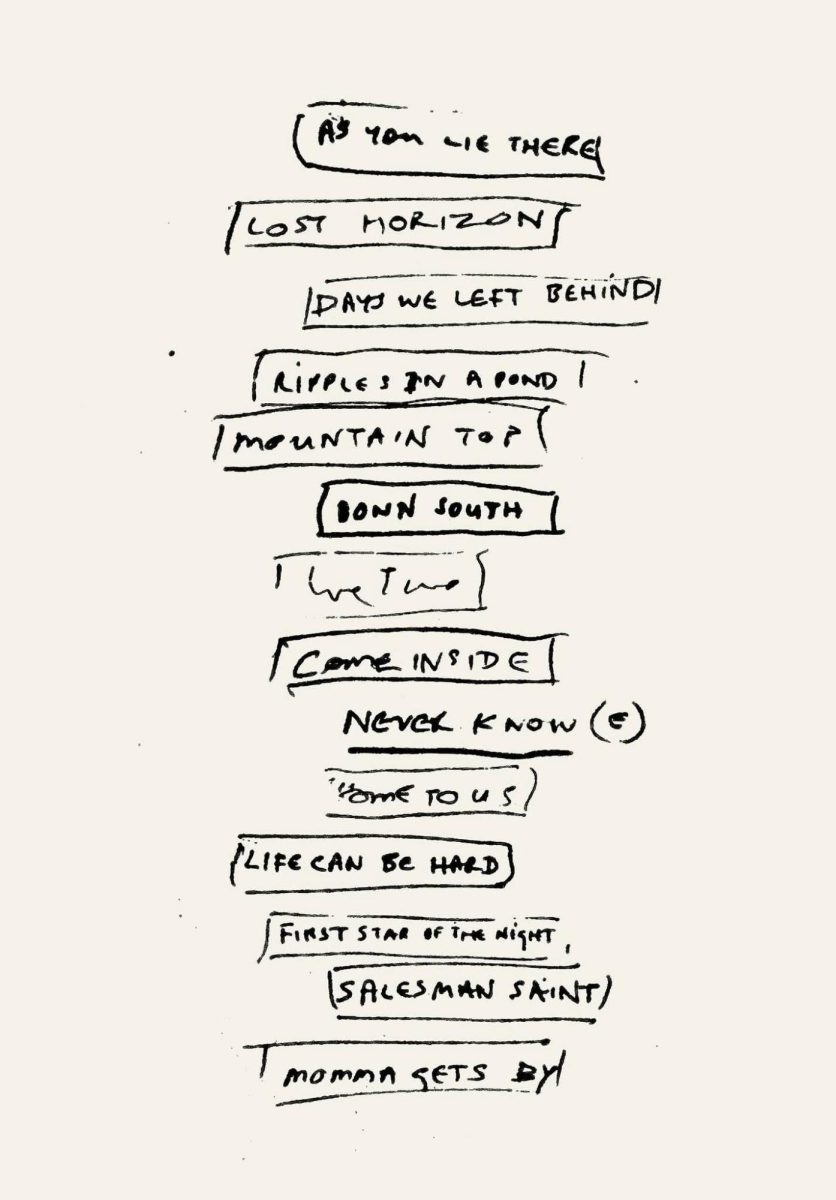
Released on May 29, “The Boys of Dungeon Lane” is McCartney’s 20th studio album, and his 40th if you count his work as a member of The Beatles and Wings.
At 83 years old and with a net worth of over a billion dollars, Paul McCartney has no real need to ever work again — yet he clearly still loves performing. After wrapping up a world tour last November, he announced the release of “The Boys of Dungeon Lane” with a social media post where he says, “My aim is to bring something people can enjoy, and the more they enjoy it, the happier I am.”
I personally found McCartney’s last album, 2020’s “McCartney III,” to be a bit underwhelming and boring, and I was afraid that this album would be more of the same.
The opening track, “As You Lie There,” starts pretty sedately. McCartney sing-talks over acoustic guitar for nearly a minute before the drums and electric guitar kick in. As soon as I heard that guitar riff, I knew my initial doubts about the album had been completely wrong.
The whole album manages to be both catchy and heartfelt, delivering in every way I hoped it would.
The instrumental work is great overall, with the majority of the instruments played by McCartney himself and his producer Andrew Watt. They experiment with all kinds of different percussion and keyboards throughout the album.
Though McCartney definitely sounds his age, songs like “Lost Horizon” and “Never Know” feature some impressive use of his voice as an instrument in and of itself, and the album’s sound suits his vocals well.
The lyrics are simple but effective, like “I wanna live for love / So many people do / Over, over again / My thoughts return to you” in “We Two” or “Maybe the starlight that shines in her eyes / Sings to the moon in her hair” from “Life Can Be Hard.”
“Home to Us,” a duet between McCartney and former Beatles drummer Ringo Starr could’ve been gimmicky if the two musicians didn’t clearly work so well together. Their voices compliment each other, and the track has an infectious joyful energy to it.
You don’t need a degree in Beatleology to enjoy this album, though plenty of the songs stand out more if you recognize the stories McCartney pulls from his life.
“Down South,” for example, is a pretty musically unremarkable track that made much more of an impression on me than it otherwise would have, because I recognized that the lyrics centered on a hitchhiking trip McCartney and his Beatles bandmate George Harrison went on as teenagers.
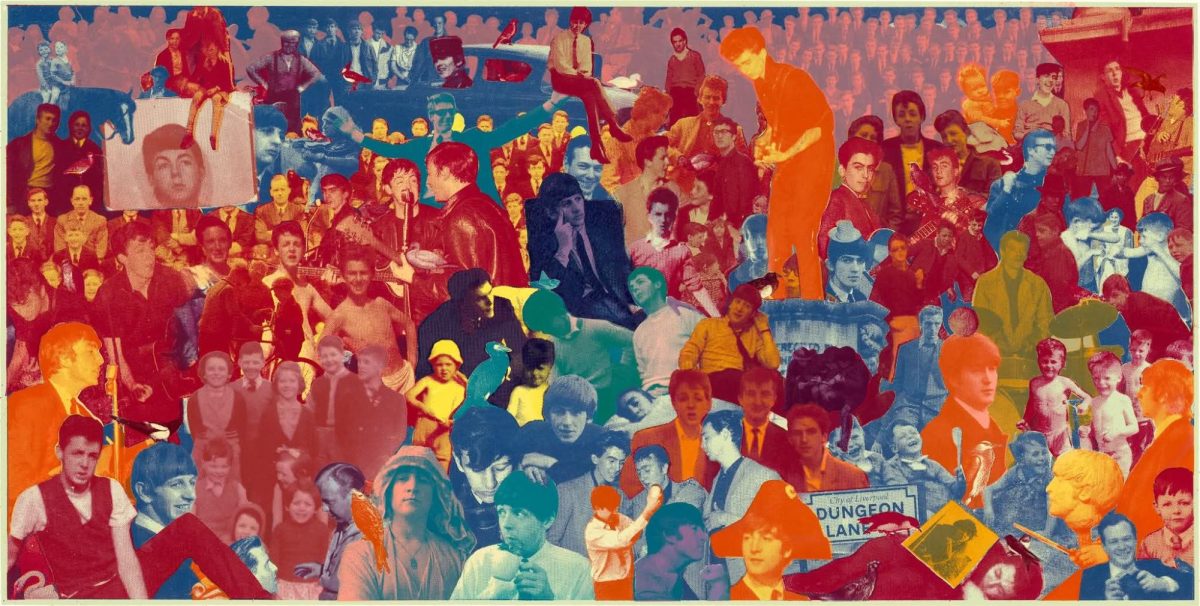
With lyrics focused on his childhood, his family and his hometown of Liverpool, England (Dungeon Lane is a street in Liverpool where McCartney used to go birdwatching,) the album might draw from the nostalgia well a bit too often for some people’s liking.
The album’s lead single, “Days We Left Behind,” literally starts with the lyrics “Looking back at white and black / Reminders of my past.”
I don’t see anything wrong with McCartney drawing from his past for material. Isn’t that what any creative person does in their work? Just because Paul McCartney’s past is well-known and involves being part of the best-selling band of all time doesn’t mean it isn’t fair game for him to sing about.
His reminiscing never comes across as cheap nostalgia, because he handles the stories he tells with an obvious affection that shines through in the music. You can tell just from listening to this album how much McCartney loves his hometown and all the people he knew there.
“The Boys of Dungeon Lane” has a confessional vibe to it that immediately drew me in. Every song felt surprisingly intimate.
The whole 45-minute experience flows very well. There’s enough similarity to maintain a consistent sound, but enough difference to keep things innovative and interesting.
“Mountain Top” and “Momma Gets By” sound slightly out-of-place, almost like they were tacked on to a complete album to pad out the tracklist. They’re not so bad on their own, but their placement in the album just bothers me personally.
There’s a surprising amount of experimentation in the album’s sound. “Ripples in a Pond” has an almost indie-rock sound to it, and you can hear the jazz influence on “Salesman Saint.”
There’s plenty of good old-fashioned rock and roll too, especially on tracks like “Come Inside.” I spent most of my first listen rocking out, air drums and everything.
“The Boys of Dungeon Lane” is unique, both within McCartney’s discography and among the rest of music today.
It’s a chance to hear an artist still experimenting decades after most of his peers stopped taking risks. McCartney isn’t coasting on reputation — the music is genuinely great.
The melodies of “Days We Left Behind,” “Ripples in a Pond,” “Never Know” and “Home to Us” are still stuck in my head days later. I want to listen and relisten to this album again and again, just to fully absorb everything it has to offer.
Even if you’ve never cared about The Beatles, “The Boys of Dungeon Lane” offers a unique blend of modern influences and classic rock sound that’s well worth a listen.