
Audiences, young and old, are feeling a lingering sense of loss and uncertainty with the nearly decade-long throwback series “Stranger Things” reaching its finale. Whether the show has really reached its conclusion, or if the Duffer Brothers are covertly fostering a brilliant plan for a surprise ninth episode, is up for debate.
Debuting in 2016, the series set a high emotional standard through character-driven storytelling that allowed viewers to grow alongside the cast. For many, characters like Will Byers and Eleven fostered riveting character development, reflecting personal growth, identity and belonging, while early seasons balanced a sense of nostalgia and adolescence crafted with phenomenal writing.
As the show progressed, expectations rose alongside the emotional investment. When the finale failed to fulfill watchers’ high hopes to the same depth and shock, fans began to turn to theories to preserve their beloved comfort series. With these conspiracies comes the question: Why are fans making this sci-fi craze a never-ending story (pun intended), and what does that reveal about our emotional attachment to television?
One of the most popular theories going viral across all social media platforms is known as “Conformity Gate.” The ruse with “Conformity Gate” arose rapidly post “Episode 8” when fans began suggesting that the Stranger Things finale was a false reality controlled by Vecna.
Evidence of symbolic imagery and narrative inconsistencies fed deeper and deeper into the development. Small details were recognized, such as the graduation cap and gown being the wrong color, along with Henry Creel and Mike’s appearance looking oddly similar in the final minutes before the show concluded.
This theory continued to develop, as did the possibility of a different ending. That renewed hope within the fandom. Some fans pointed to these details as being hidden gems to the producers’ mastermind secret; there is also the reality that concluding a series of this scale is innately complex.
After ten years of storytelling, filling in every narrative gap or storyline development has been portrayed as seemingly impossible. This became even more evident with the expected release date of “Episode 9” on Jan. 7, disappointing watchers everywhere.
For most fans, this lingering sense of disappointment and emptiness has less to do with conspiracy and everything to do with attachment. “Stranger Things” was not just a show; it was a plethora of possibilities, nostalgia and comfort.
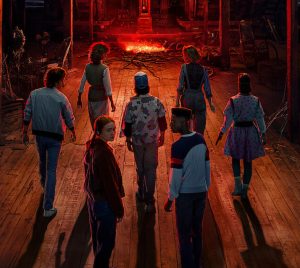
It reached older audiences who wanted an image of their adolescence, and younger watchers that grew up with the main characters of the storyline. With the show ending, fans are having to say goodbye to a version of themselves that existed when the show began — letting go of the appendage people had to the development of a fictional narrative and all the possibilities and expectations that weren’t fulfilled.
Saying goodbye isn’t so easy when you feel like there’s a door still cracked for more.
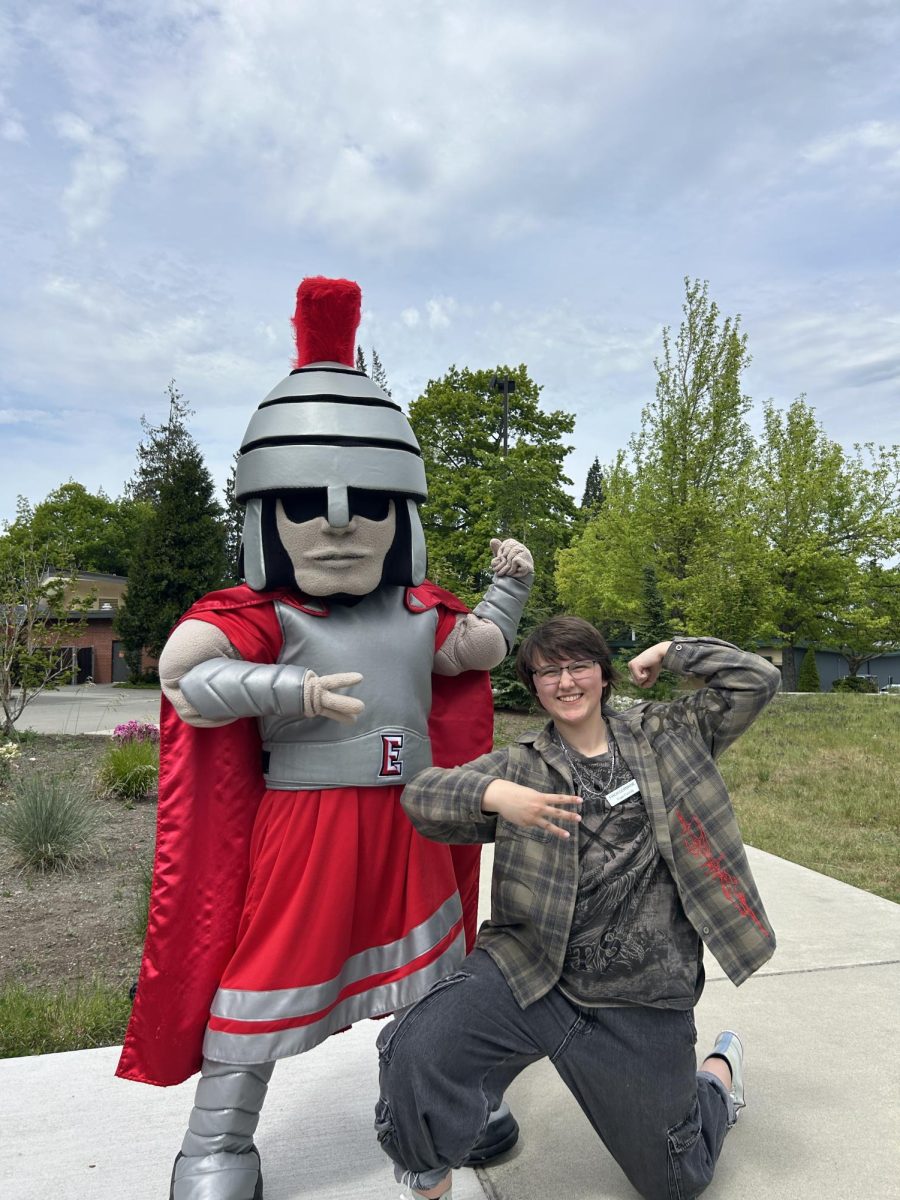
“I felt very devastated,” Isabella Shavey, a Running Start student at EvCC, said. “It felt like something I grew up on was over. It wrapped up my formative years.”
Shavey described the finale as getting “closure in the slightest way possible,” but that feeling rapidly dissipated as the media began discussing gaps in the storyline, and they arose with new ideas and theories to manage their disappointment. Scenes that felt rushed, unresolved conflict, and an ending that was just too anti-climactic for a show of this scale contributed to her questioning whether it was truly over.
“I noticed a lot of missing puzzle pieces,” Shavey said. “Will’s speech and Vecna saying he was going to use him one more time threw me off and left me believing there would definitely be more to the story.”
The discussion around “Conformity Gate” offered viewers an alternative — a gateway where their disappointment was replaced with anticipation — where all of the questions and storyline inconsistencies would be answered.
The fandom designed a future for this series that promised a more intricate and detailed ending that satisfied the audience. In reality, people were believing in a future that didn’t exist.
Psychology student Fayth Seals said her post-finale emotions intensified as fan theories were continuously showing up on her social media.
“At first I thought it was a little bit cliche,” Seals said. “I tend to like cliche things, but after seeing how much better people said the writing could have been, I started feeling like there were a lot of things they missed.”
She said, “With how algorithms work, you keep getting more and more suggestions about what is possible … I actually started to believe it … I feel like the audience honestly would have written a better ending than the narrators.”
As more time passed, the conclusion that was delivered became less and less satisfying for the community, with all the growing attention of “Conformity Gate.”
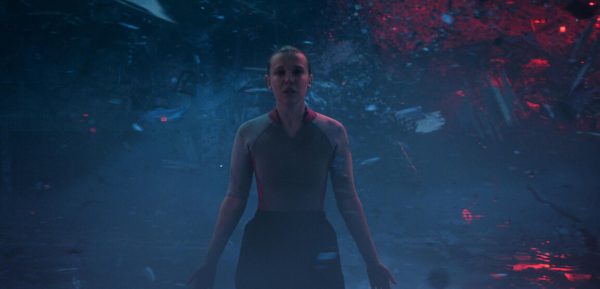
Both students emphasized how their reactions were based on deeper attachments, not just plot details. Oftentimes in long-running shows, para-social bonds can be tied to characters that are completely one-sided. That makes deaths, narrative changes, and endings drastically harder. When stories end without the closure viewers expect, loss can feel more abrupt.
“People just don’t want it to be over … it’s very emotional for me,” Shavey said.
“Usually I’m very emotional with endings, especially series that I’ve been following for a long time. It just didn’t feel like they did the characters justice,” Seals said.
For community college students who are navigating periods of transition, “Stranger Things” provides a certain comfort and familiarity that is encouraging to fall back on when an escape is needed. When the series ended, that stability disappeared, creating a form of post-show depression that felt personal rather than purely narrative.
Letting go can feel especially difficult when the ending coincides with personal change. That loss became even more intensified when the writing didn’t encapsulate the anticipation audiences have been feeling for nearly a decade.
“Conformity Gate” reflects the fans’ response to a lack of closure. They used their imagination and expectations to hold on to meaning and design an ending that did justice to years of engagement. An ending that was far more deserved than the one delivered.