It’s the first day of college and the success of your first day depends on many colliding factors: Where are your classes? Where do you park? What if you don’t like your classes? With the hustle and bustle of the first day, it is easy to become overwhelmed as a student.
Research has shown time and time again that a consistent routine creates more successful students. Effective time management, a good diet and a set sleep schedule allows you to be more productive and present in the day-to-day aspect of college life. Student LIFE staff member Karen Kishida recommends using Google Calendar to schedule your day efficiently.
Even if it may feel a bit tedious, taking a small slice out of the day to plan out your week will be worth every minute when you see how much smoother the quarter goes. Start with the big assignments that are coming up, add in your other daily assignments and you have already gotten through the biggest headache.
You can easily find your upcoming assignments and other important announcements in Canvas, either through your laptop or the app on your phone. Don’t know how to log into Canvas? No problem. You can stop by Student LIFE and they’ll help you figure out the rest.
Powering your brain through an entire day of classes and other activities is going to be another main component to your success.

It can be difficult to put together a complete nutrition plan on top of figuring out your class and sleep schedule. If you’re trying to save money and cook food at home or in your dorm, you can’t just fuel yourself on sugars and carbs.
Studies from Harvard have shown that diets high in refined sugars are extremely harmful to the brain. A recent study, “Optimal dietary patterns for healthy aging,” from Harvard T.H. Chan School of Public Health highlighted the effects that diet has on current health and aging. According to the study, “Higher intakes of fruits, vegetables, whole grains, unsaturated fats, nuts, legumes and low-fat dairy products were linked to greater odds of healthy aging, whereas higher intakes of trans fats, sodium, sugary beverages and red or processed meats (or both) were inversely associated.”
Students between the ages of 18-30 will probably remember the “MyPlate” diagram that was displayed all around cafeterias and even part of the curriculum in your health classes. This chart, while simple, can be a great foundation to planning out your meals. To have a healthy mind is to have a healthy body. If you aren’t fueling your body with the necessary nutrients, how can the brain possibly keep up with the coursework you have to complete week to week? You can find the MyPlate guide here.
Your brain functions the best on nutrient dense foods, just as a supercar runs best with premium fuel. This doesn’t mean that everything needs to be labeled organic, but instead to shop with intention. Opt for fresh proteins, carbohydrates, fruits, vegetables and starches/grains. Go grocery shopping with a list, either physical or digital. Yes, it actually helps! Writing yourself a list of what you need focuses your attention.
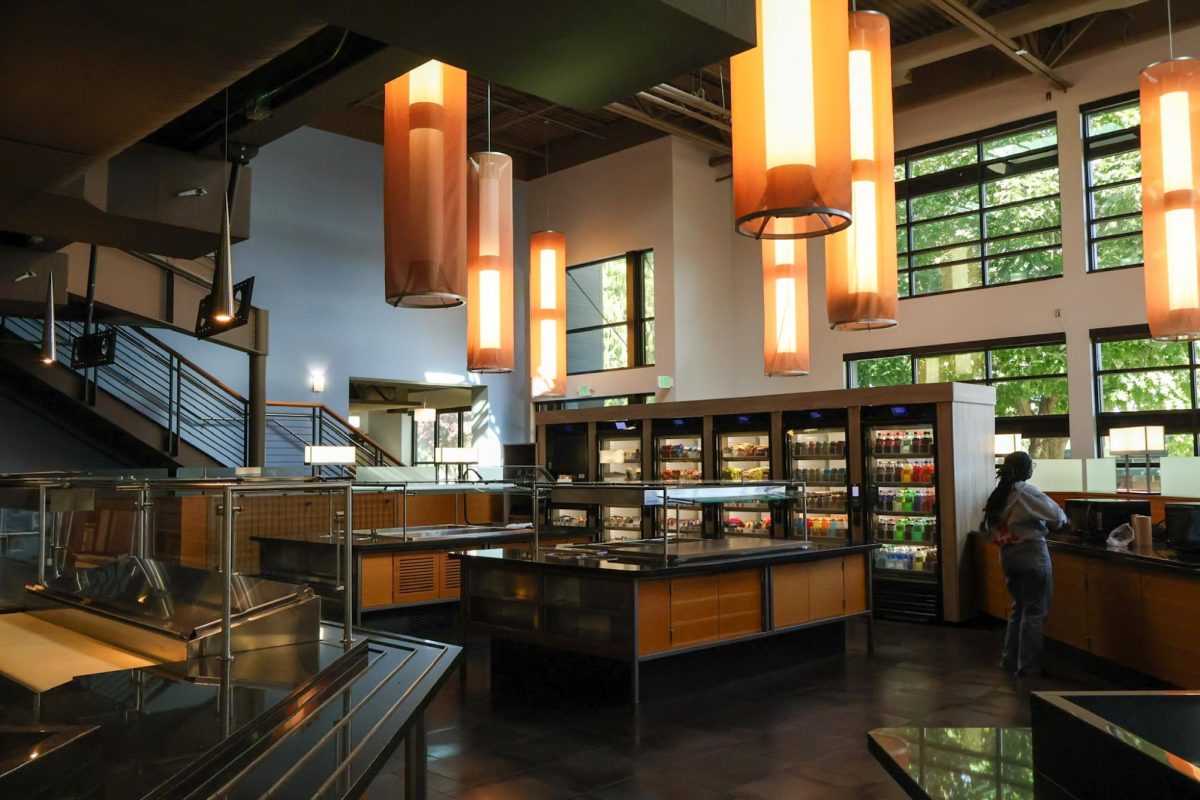
If you are short on time or just needing something to eat in between your classes, there are options upon options around the campus. The cafeteria in Parks Student Union has an easy “pay-and-grab” system that is stocked with sandwiches, drinks and plenty of snacks.
You can also stop by the Buenos Dias coffee shop if you want a warm drink, or if the food choices aren’t your style in the cafe. Because they are located right next to each other, you can even mix and match!
Once your food needs are satisfied, adequate sleep is also a necessity for a successful education.

We’ve all been there, whether in high school or in college, cramming for an assignment or test late. “Just a few more notes, just a couple more questions” turns into sunshine and birds chirping. Now you have to drag yourself through a full day of classes while running off of nothing but a RedBull and a stale bagel.
“Sleep debt” is a real dilemma that affects nearly everyone, but even more so with students. College students are often at an extremely transitional stage in their lives while also balancing new routines and schedules, sometimes in a completely new state or country. When you add sleep deprivation into the mix of all the other stress factors in your life, your cognitive capacity dwindles down to crumbs by the time final exams roll around.
Setting a routine bedtime for yourself can be hard, but if you already have a good daytime schedule aligned, the nighttime will fall into place much easier. The best way to set your bedtime routine up first starts with figuring out how much sleep you need every night. Some people feel better with just six hours of sleep, meanwhile others need closer to nine hours a night to feel like a human the next day.
Several students at EvCC use tips similar to this, such as chamomile tea or even just hot water with lemon.
David Nguyen, a second-year student, drinks hot water with honey every night before bed. “I find it really helpful,” he said.
Many student athletes report back that they have early workouts or early classes and need to sleep for at least eight hours every night. But what about those who aren’t student athletes? The students that have jobs, families or other obligations outside of 12-15 credit hours at college. That ends up subtracting from our sleep schedules when we try to maintain our social lives on top of class and homework.
So, how do we make it work? It boils down to getting enough quality sleep, eating a nutrient-rich diet and utilizing effective time management methods.
You don’t have to do it all perfectly, you just have to try to adhere to the basics. Just as when you are learning about a new topic, you acquire information in bits and pieces over time.